
Ergonomics is concerned with designing tasks, tools and environments that align with human capabilities to reduce injury risk, discomfort and inefficiency. Biomechanics provides the objective measurement framework that allows ergonomic decisions to be based on quantifiable evidence rather than observation alone. Together, biomechanics and ergonomics support a data driven approach to understanding how people move, generate force and interact with their working environment.
One emerging sub-discipline in this space is neuroergonomics, which applies insights from neuroscience to understand human movement and cognitive workload in real-world tasks. This approach highlights the role that biomechanical data play in ergonomic research and design.
At HaB Direct, we support ergonomics, occupational health and human factors research through advanced biomechanics technologies. Peer reviewed studies increasingly demonstrate how systems from Noraxon, zebris and h/p/cosmos can be applied to ergonomic assessment when analysing posture, movement, muscle load, force and pressure during real tasks.
Using Noraxon Systems for Ergonomics and Human Factors Research

Noraxon systems are widely used in ergonomics research due to their ability to synchronise muscle activity, movement and task timing using wearable sensors. This enables data collection in authentic work environments rather than controlled laboratory simulations.
Muscle activation and occupational posture
Surface EMG plays a central role in ergonomic research by identifying sustained or repetitive muscle activity associated with musculoskeletal risk. A study published in Applied Ergonomics used wearable EMG to examine muscle activation patterns across different working postures. The authors demonstrated that objective EMG data revealed workload differences not apparent through observational assessment alone, supporting the use of EMG in ergonomic exposure analysis (Kumar et al., 2019).
https://pmc.ncbi.nlm.nih.gov/articles/PMC6398542
Ergonomic exposure assessment in real work environments
Research published in Annals of Work Exposures and Health applied wearable EMG and motion sensors to quantify physical exposure during occupational tasks. The study highlighted the importance of portable biomechanics tools for measuring ergonomic risk under real working conditions rather than relying solely on laboratory based models (Balaguier et al., 2022).
https://academic.oup.com/annweh/article/66/1/119/6339556
Upper limb musculoskeletal risk and workstation design
Noraxon wearable sensors have also been used to investigate ergonomic risk associated with different human computer interaction methods. A study comparing a wearable sensor armband with traditional keyboard and mouse input measured upper limb muscle activity and movement patterns during repetitive tasks. The findings demonstrated measurable differences in muscular workload between input methods, illustrating how biomechanics can inform ergonomic workstation and technology design (Johnson et al., 2019).
Collectively, these studies demonstrate how Noraxon systems support ergonomics by providing objective, task specific data on muscle activation, posture and movement strategy.
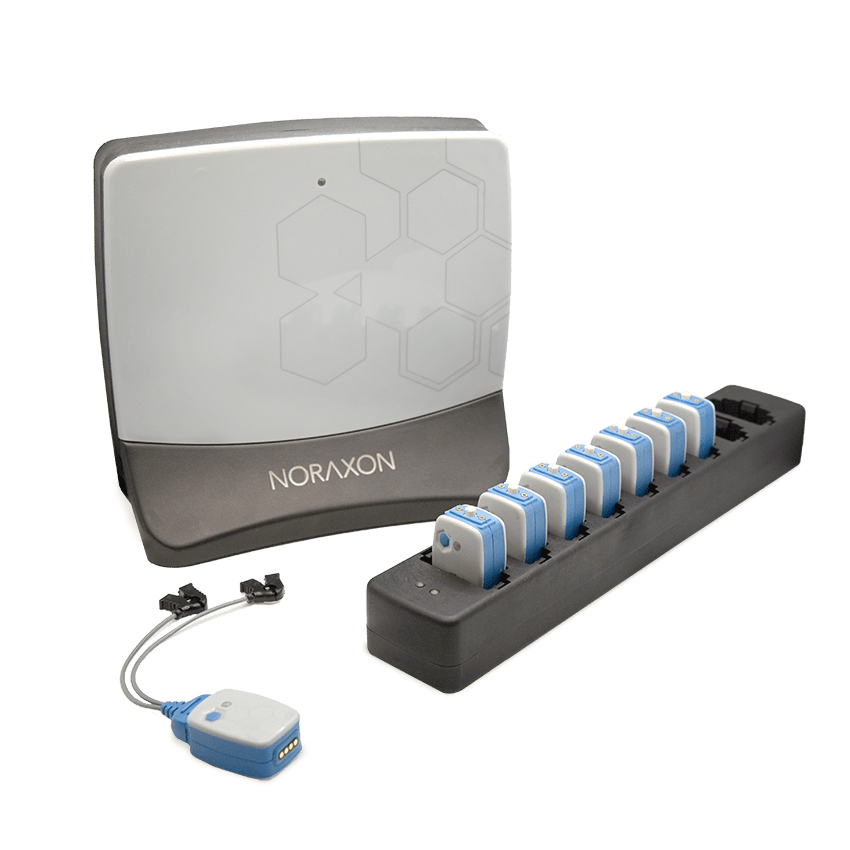
Noraxon Ultium Wireless Surface EMG
The Noraxon Ultium Wireless Surface EMG is a research-grade Wireless EMG system equipped with high sampling rate & resolution, low baseline noise, versatile SmartLead options, and powerful wireless communication.
zebris Pressure Measurement Systems in Ergonomic Research
zebris pressure platforms provide high resolution measurement of plantar pressure, weight distribution and balance. These variables are particularly relevant in ergonomics when assessing standing work, postural load, balance demands and lower limb asymmetry during occupational tasks.
Reliability and validity of pressure based postural assessment
A recent validation study confirmed that the zebris FDM pressure platform demonstrates strong reliability and validity for measuring lower limb weight distribution during quiet standing. This supports its use in ergonomic assessment where objective quantification of postural load and stance symmetry is required (Kaczmarek et al., 2023).
Pressure distribution and ergonomic load analysis
Research published in the International Journal of Environmental Research and Public Health used zebris pressure platforms to analyse plantar pressure and gait characteristics. The findings demonstrated that pressure distribution metrics can reflect postural control strategies and loading patterns, which are directly relevant to ergonomic risk evaluation in standing and walking tasks (Knapik et al., 2022).
https://www.mdpi.com/1660-4601/19/24/16710
Balance, gait and postural demand in functional tasks
Further studies published in Journal of Physical Therapy Science and biomechanics conference literature show how zebris systems capture changes in balance and gait across different populations and task conditions. These measurements provide insight into postural demand and stability during movement, thus supporting ergonomic assessment where locomotion, transitions or prolonged standing are involved (Yoshida et al., 2018; Springer Nature, 2023).
https://www.jstage.jst.go.jp/article/jpts/30/2/30_jpts-2017-478/_article/-char/ja/
https://link.springer.com/chapter/10.1007/978-981-96-8908-8_57
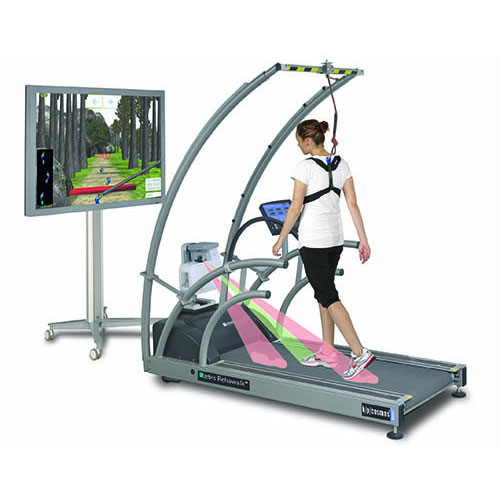
zebris Biomechanics
zebris Medical GmbH provides continuous innovations in developing and producing measuring systems for the biomechanics sector.
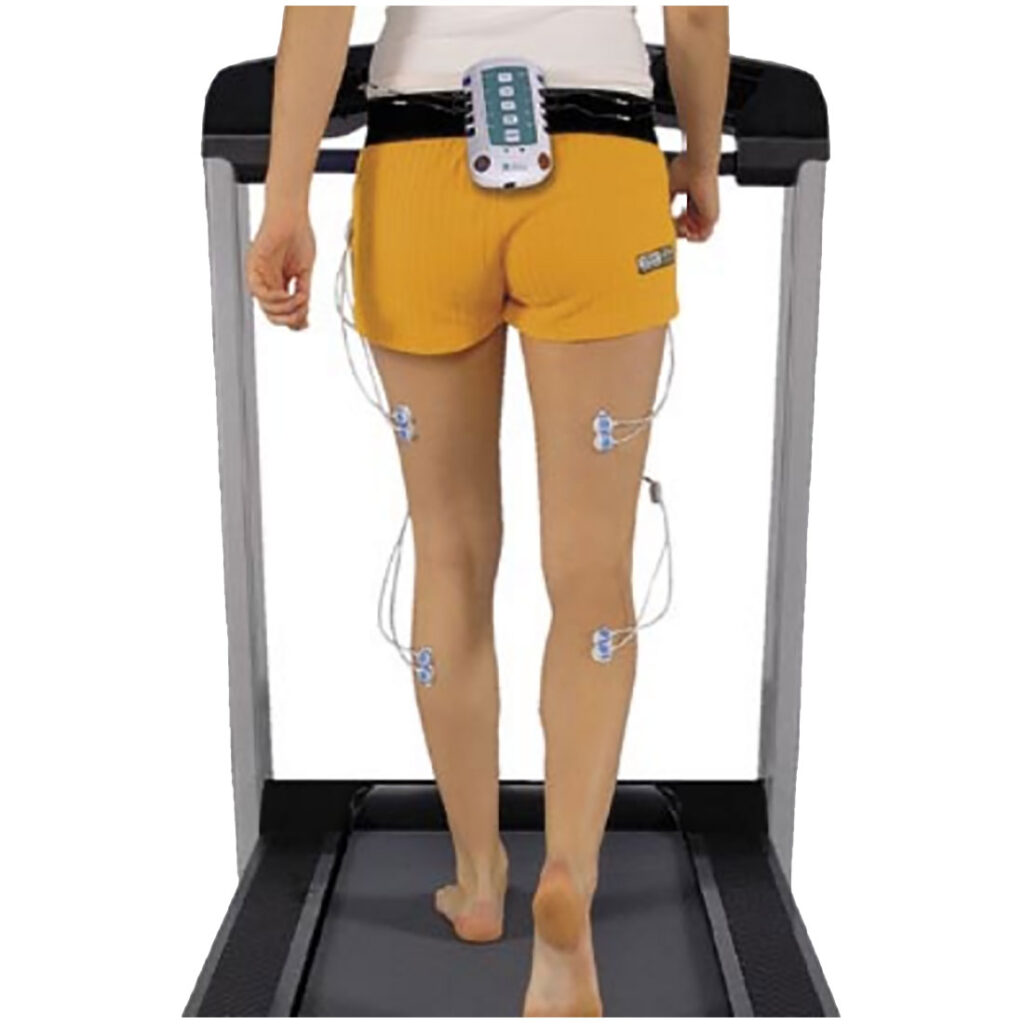
zebris EMG Bluetooth Muscle Activity Recording System
The zebris EMG System is a diverse tool for recording potential…
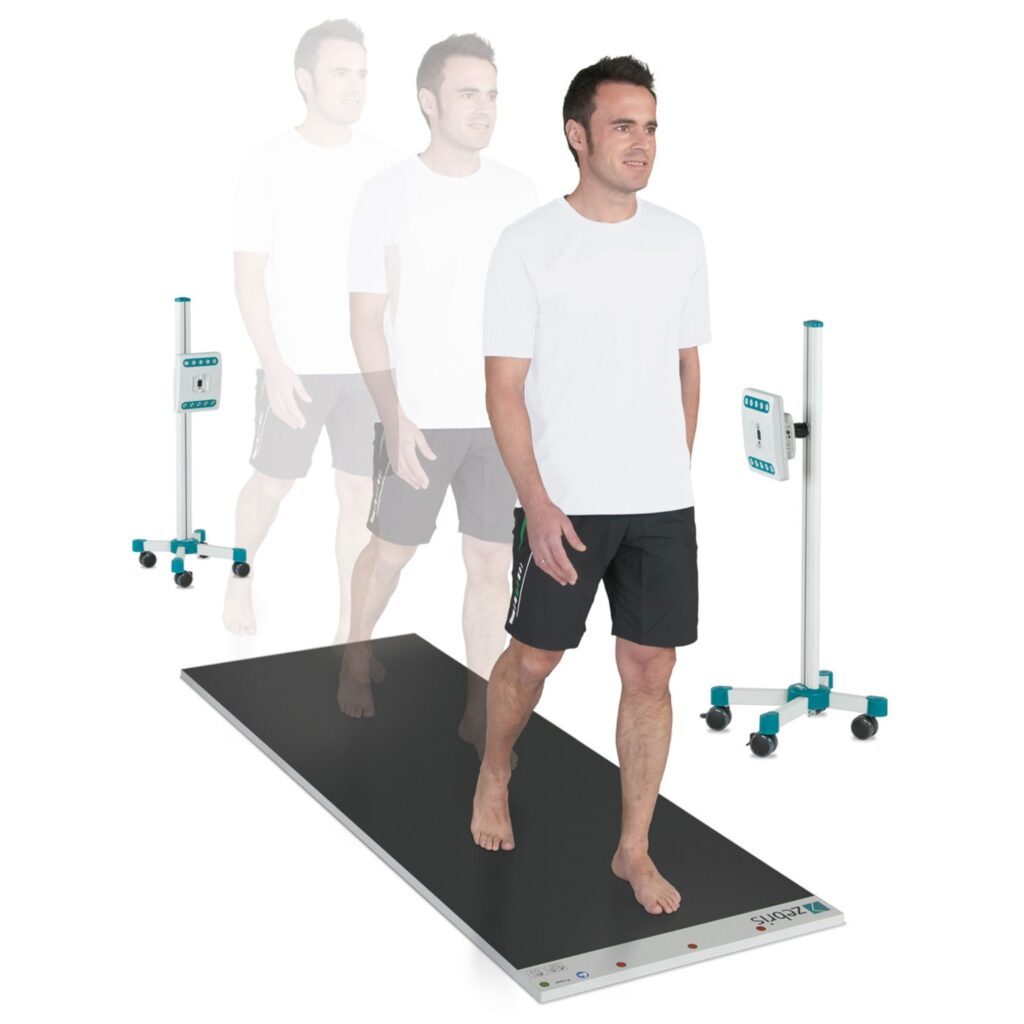
zebris FDM Stance and Gait Analysis System
The zebris FDM System analyses stationary and dynamic gait patterns using sophisticated, high-quality…
h/p/cosmos Treadmills and Task Based Movement Analysis
h/p/cosmos treadmills and motion analysis environments are widely used in biomechanics research examining gait, posture and force generation. While often associated with sports science and rehabilitation, these measurements are directly applicable to ergonomic assessment of walking, standing, load carriage and repetitive movement tasks.
Instrumented treadmills and ground reaction force measurement
Research published in Ergonomics demonstrated that instrumented treadmills can accurately measure ground reaction forces during locomotion. This supports their use in task based movement analysis relevant to occupational and ergonomic assessment, particularly where repeatability and controlled conditions are required (Riley et al., 2007).
https://www.tandfonline.com/doi/abs/10.1080/00140130701195063
Gait, posture and task adaptation under controlled conditions
Biomechanics conference literature and book chapters highlight treadmill based gait analysis as a method for examining posture, movement variability and adaptation to task demands. These parameters are central to ergonomic research when investigating how movement strategies change with workload, speed or environmental constraints (Springer, 2017).
https://link.springer.com/chapter/10.1007/978-3-319-41697-7_15
Force accuracy and repeatable movement analysis
Additional studies examining force accuracy and gait mechanics on instrumented treadmills reinforce their value for controlled biomechanical assessment. Reliable kinetic and kinematic data are essential for ergonomic studies that aim to quantify load distribution and mechanical demand during occupational tasks (Rasmussen et al., 2017; Dingwell et al., 2018).
https://www.sciencedirect.com/science/article/abs/pii/S0003687017301977
https://pdfs.semanticscholar.org/3b29/9cba31db7322d6ccc50b494e928b67690c46.pdf
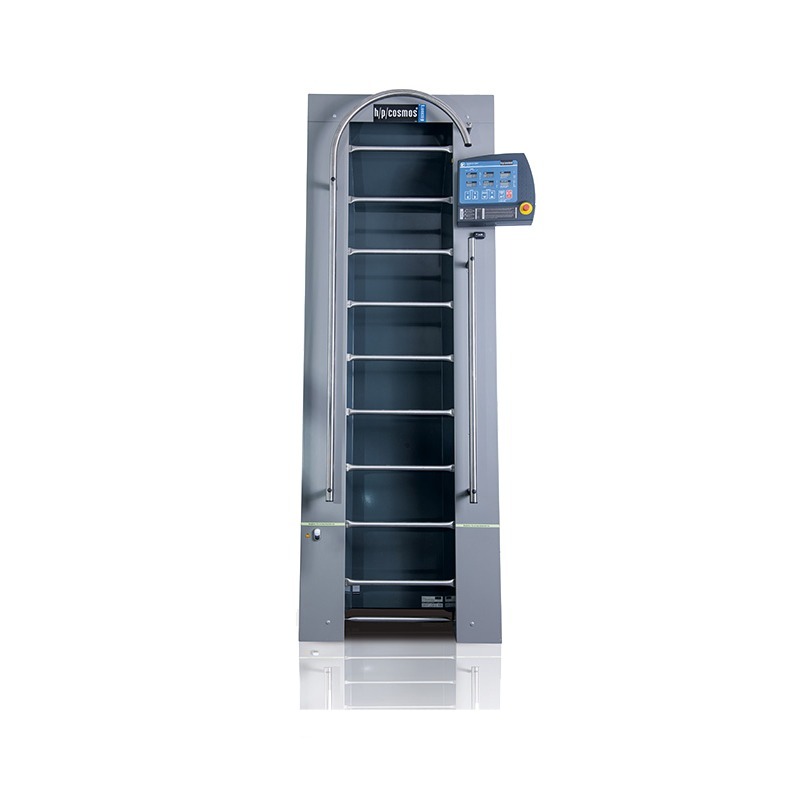
h/p/cosmos Discovery Ladder Ergometer
The h/p/cosmos discovery ladder has been developed to serve as a full body ergometer.
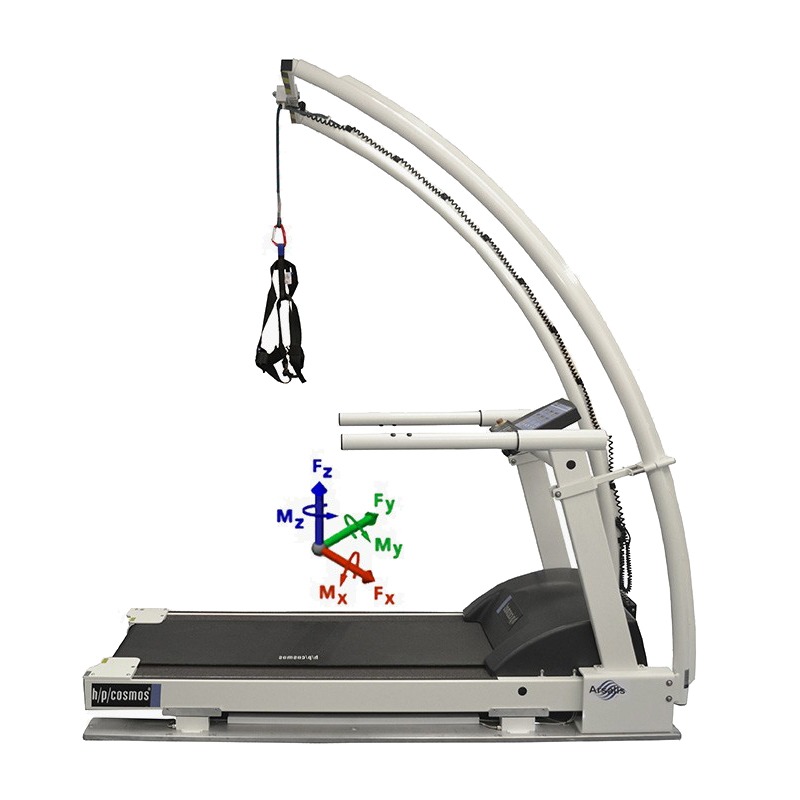
h/p/cosmos gaitway 3D Instrumented Treadmill Ergometer
The new gaitway 3D is a joint design by h/p/cosmos and Arsalis. It measures the ground…
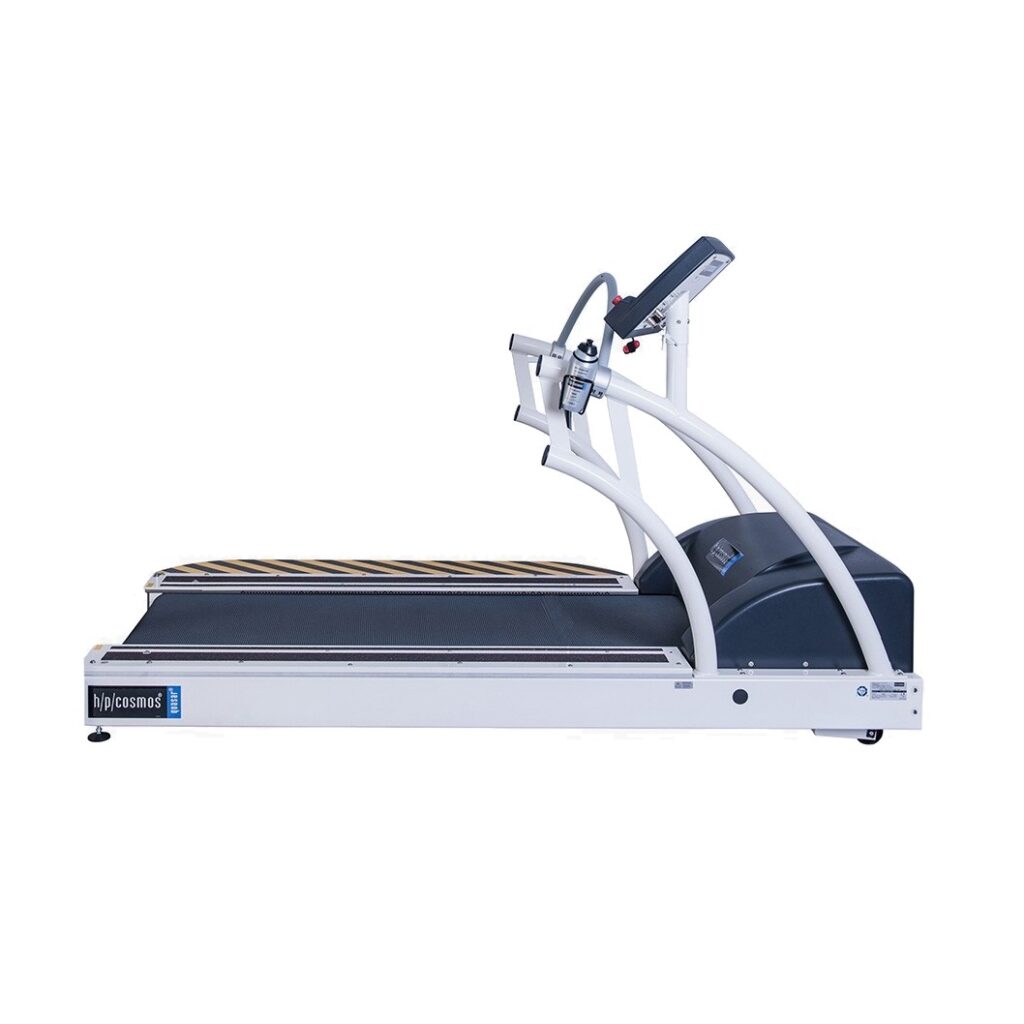
h/p/cosmos quasar Treadmill
The h/p/cosmos quasar treadmill series has models suitable for training in high-performance sport and fitness, commercial fitness, school sports, human performance diagnostics, sports sciences,…
Integrating zebris pressure platforms with h/p/cosmos treadmills
zebris pressure measurement systems can be integrated directly into h/p/cosmos treadmills, enabling simultaneous analysis of gait, pressure distribution and movement mechanics. This combined setup allows ergonomic studies to capture dynamic plantar pressure data alongside controlled treadmill locomotion.
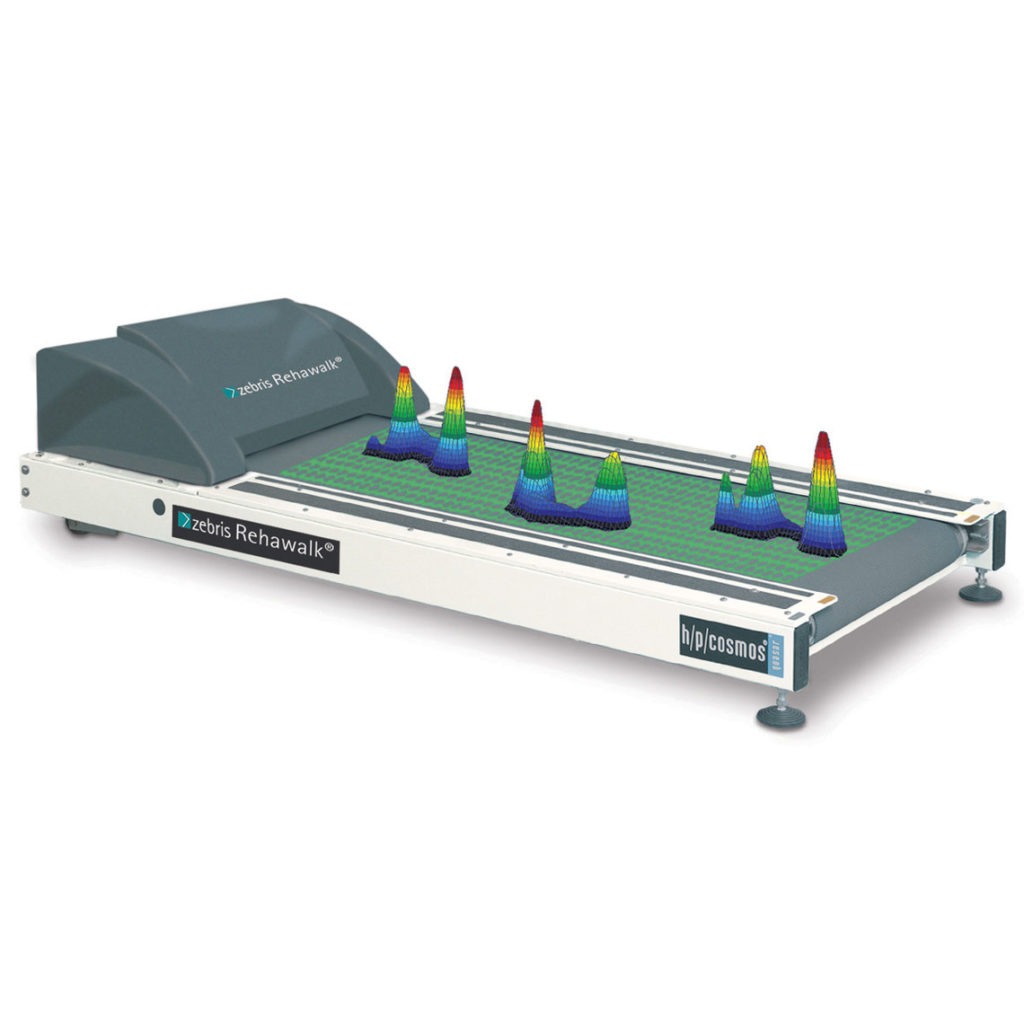
Such integration is particularly valuable in ergonomic assessment of walking tasks, prolonged standing with movement transitions and occupational scenarios where both posture and foot loading contribute to musculoskeletal risk. By combining treadmill based motion analysis with high resolution pressure data, researchers can gain a more complete understanding of task demands and movement strategies.
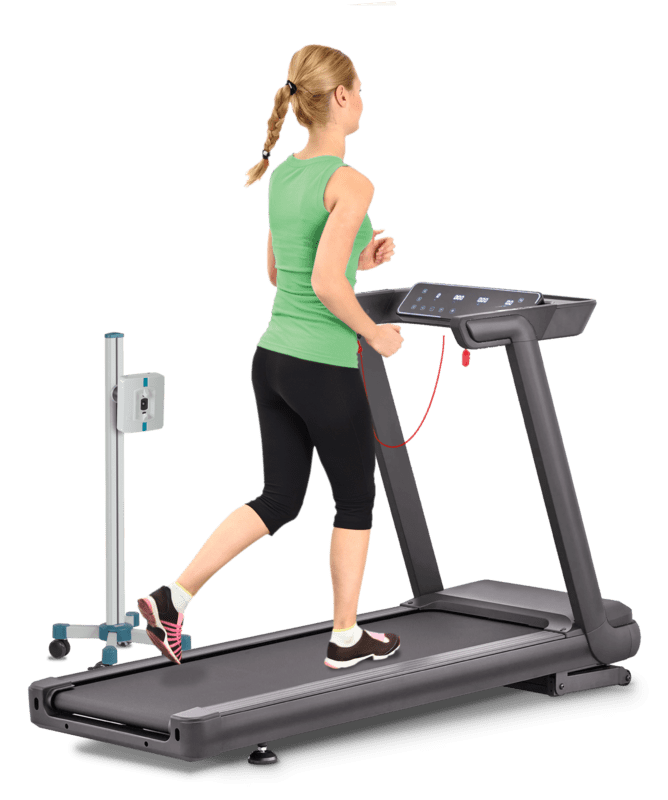
zebris FDM-T Treadmill System for Gait Analysis
The zebris FDM-T System is especially designed to analyse dynamic gait patterns, integrated with an existing treadmill machine. This sophisticated, first-rate system is invaluable to physiotherapists and researchers alike as it captures and analyses natural gait movement in a broad variety of different conditions.
Integrating Biomechanics Technologies for Comprehensive Ergonomic Insight
The strongest ergonomic assessments combine multiple data streams. Noraxon systems quantify muscle activation and movement strategy, zebris platforms measure pressure distribution and postural load, and h/p/cosmos treadmills enable controlled analysis of gait, force and task related movement.
These integrated biomechanics approaches allow ergonomics professionals to identify risk factors with greater precision, evaluate interventions objectively and support evidence based design decisions across occupational health, manufacturing and human factors research.
Supporting Evidence Based Ergonomics with HaB Direct
HaB Direct supports organisations seeking to strengthen ergonomic assessment through validated biomechanics technologies. By grounding ergonomic practice in objective measurement, professionals can move beyond subjective observation towards defensible, repeatable and research informed conclusions that improve worker health, safety and performance.
References
Balaguier, R., Madeleine, P. and Samani, A. (2022) Assessment of occupational physical exposures using wearable sensors. Annals of Work Exposures and Health, 66(1), pp.119–132. Available at: https://academic.oup.com/annweh/article/66/1/119/6339556
Dingwell, J.B. et al. (2018) Validity of ground reaction force measurements from an instrumented treadmill. Available at: https://pdfs.semanticscholar.org/3b29/9cba31db7322d6ccc50b494e928b67690c46.pdf
Johnson, M. et al. (2019) Repetitive upper extremity musculoskeletal risks utilising wearable sensor technology. Available at: https://www.researchgate.net/profile/Marit-Johnson/publication/333379021
Kaczmarek, P. et al. (2023) Reliability and validity of the zebris FDM pressure platform. Available at: https://www.researchgate.net/publication/376500548
Knapik, A. et al. (2022) Plantar pressure distribution and postural control analysis. International Journal of Environmental Research and Public Health, 19(24), 16710. Available at: https://www.mdpi.com/1660-4601/19/24/16710
Kumar, S. et al. (2019) Surface EMG analysis of occupational posture. Applied Ergonomics. Available at: https://pmc.ncbi.nlm.nih.gov/articles/PMC6398542/
Riley, P.O. et al. (2007) Instrumented treadmill measurement of ground reaction forces. Ergonomics, 50(5). Available at: https://www.tandfonline.com/doi/abs/10.1080/00140130701195063
Yoshida, T. et al. (2018) Gait and balance analysis using pressure platforms. Journal of Physical Therapy Science, 30(2). Available at: https://www.jstage.jst.go.jp/article/jpts/30/2/30_jpts-2017-478/_article


